Lakeside terraces: six tells before you sit down
How to tell, on Annecy's quaysides, a terrace that actually cooks from one that only sells its view. Six reliable signals.
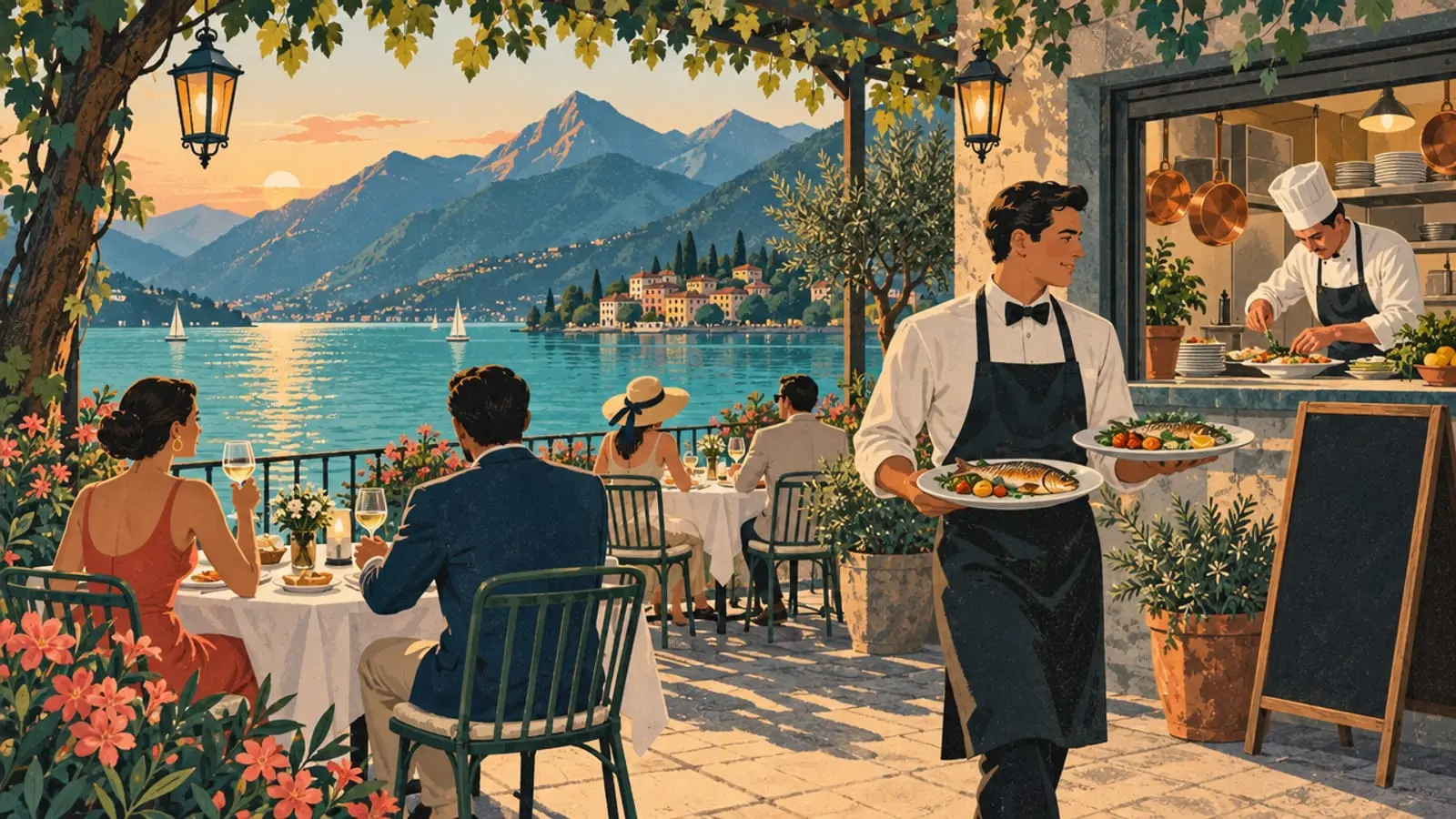
Along a hundred metres of quayside you will find one honest menu and three calibrated for people who are never coming back. It isn’t malice, it’s economics. When the location fills the room on its own, the kitchen stops being the argument. Here are the signals we look at before sitting down.
1. The length of the menu
Four pages in three languages, with pizzas, burgers, salads, fondue and lake fish, cannot be fresh across the whole of it. A short menu — six or eight dishes — means someone cooks on the premises and throws out what doesn’t sell. It’s the most reliable signal, and the easiest to check from the pavement.
2. The board of the day, and whether it’s handwritten
A handwritten dish of the day means somebody went to the market this morning. A printed one, unchanged for three weeks, means the opposite. Look as well at whether it’s more interesting than the menu: in the good houses in Annecy, it almost always is.
3. What they offer you as “lake fish”
Lake Annecy produces féra (a whitefish), omble chevalier (Arctic char), perch and pike, in limited quantities and with closed seasons for fishing. A place that lists “perch fillets” all year round, cheaply, is not serving perch from the lake — it is serving imported perch. That isn’t a scandal, but say so. Serious restaurants state where the fish comes from, and the price follows.
4. The ratio of terrace to dining room
A place with three times as many covers outside as inside has organised its kitchen around throughput, not around the plate. The tables where you eat best, by contrast, often come with a back room barely visible from the street — and that’s where the regulars put themselves.
5. What time the locals come in
Walk past at 19:15. The tables occupied at that hour, midweek, out of season, are the ones that live off their regulars. A terrace that is empty at 19:15 and full at 20:30 in July runs on flow, not on loyalty.
6. How they answer when you ask where the reblochon comes from
Reblochon, the local mountain cheese: farmhouse or dairy? From which alpage, which summer pasture? The answer matters less than how quickly it arrives. Staff who know their suppliers show it in three seconds. Staff who hesitate will say “from the region”, which means nothing.
And the view, then?
You pay for it, and that’s fair enough. The real trade-off isn’t between the view and the food: it’s between paying a premium you have knowingly accepted for an exceptional position, and paying that premium without realising it. If you want both, climb fifty metres. The streets going up towards the château, the castle above the old town, lose the view over the canal but gain in cooking, often for the same price.
One last marker, more prosaic: book. In Annecy in July, the best table is the one that was expecting you.
Read next
Where to eat in Annecy →
Lake fish in Annecy: four species, many misunderstandings
Féra, Arctic char, perch and pike: what the lake actually produces, who fishes it, and how to spot a menu that promises lake fish without serving it.
Savoyard food out of season: what you're actually eating
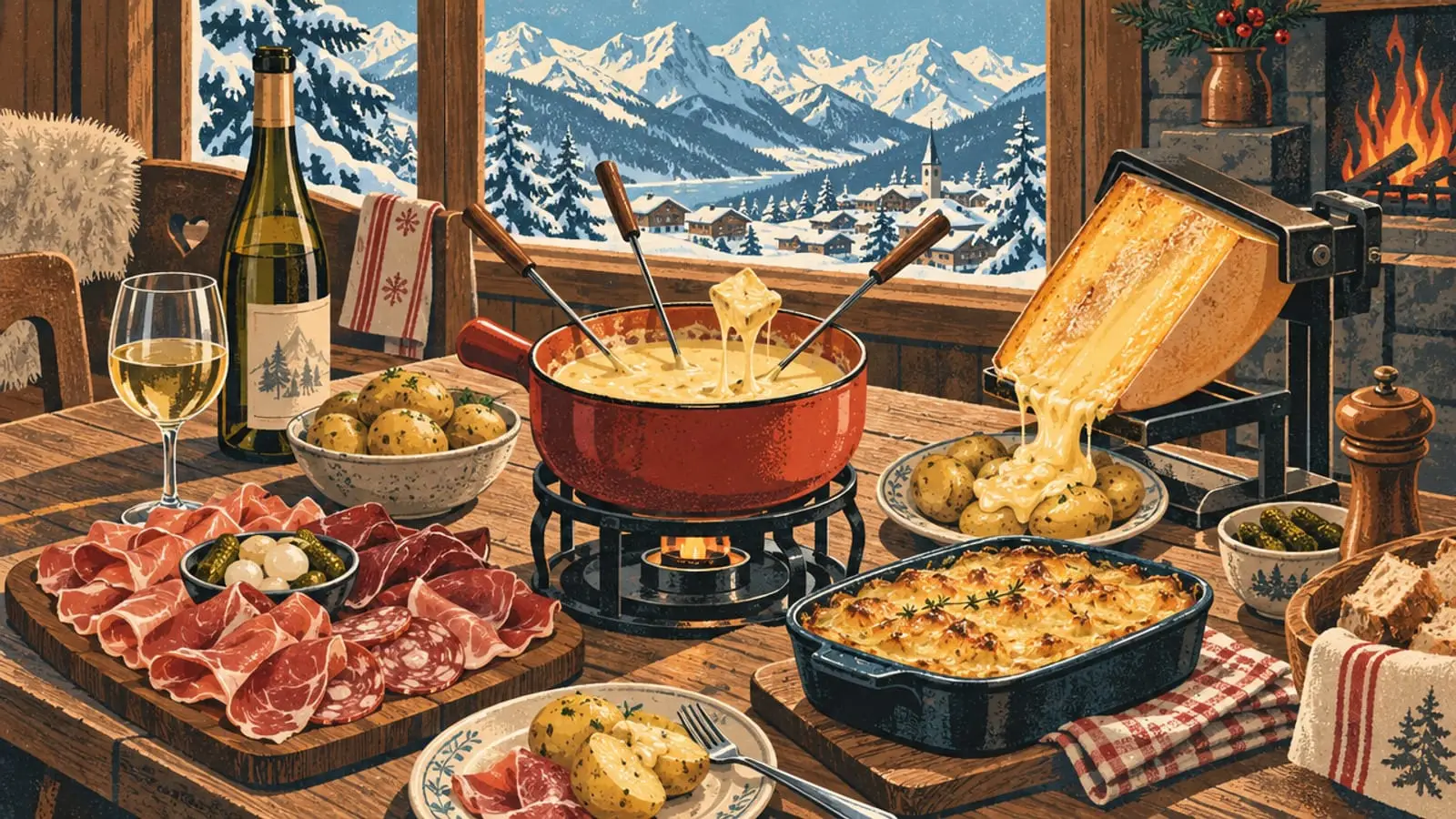
Fondue, raclette, tartiflette and berthoud: what these dishes really are, where the cheeses come from, and why menus change between July and January.